
Linen is widely regarded as one of the most comfortable natural textiles, but there is a massive range of quality in the market. You can find cheap linen shirts that feel like sandpaper, and luxury linen shirts that feel incredibly soft and cool against the skin. Welcome to our masterclass on high quality linen shirts, where we show you how to inspect fabric, stitching, and construction to find true premium garments.
For the modern consumer, understanding the difference between cheap, mass-produced linen and premium linen is key to building a functional wardrobe. In this guide, we break down the cost and quality indicators of linen, explaining why some shirts are more expensive and how to choose the best ones for your collection.
1. How to Tell if a Linen Shirt is Good Quality
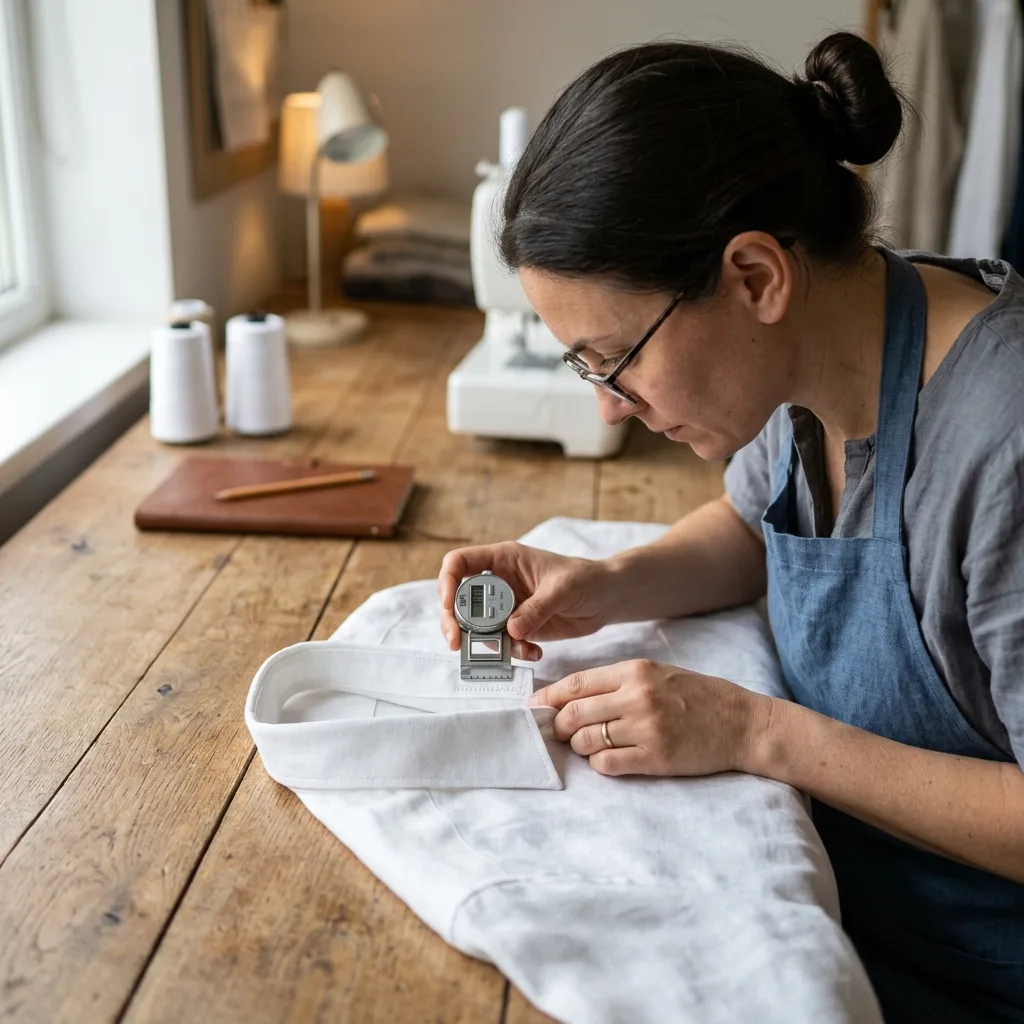
Checking the quality of a linen shirt requires looking at the fabric texture, weight, and sewing details. Premium linen is cool, heavy, and soft to the touch right off the rack. Cheap linen often feels thin and stiff because it has been coated with synthetic starches to make it look structured.
You should also inspect the stitching. High-quality shirts feature high stitch density (typically 16 to 18 stitches per inch) and are finished with French seams that hide raw edges. Cheap shirts use looser stitches that can easily fray at the seams after a few washes. Check out our collection of high quality linen shirts to see these details in action.
2. What’s the Difference Between Premium Linen and Regular Linen?
The main difference between premium and regular linen lies in the length of the flax fibers. Premium linen is made from long-staple flax fibers, resulting in a stronger yarn that yields less lint, resists pilling, and becomes softer with every wash. Regular linen is made from short-staple waste fibers (called tow), which makes the fabric feel rough and prone to wear.
Furthermore, premium linen is processed using “wet spinning,” which softens the natural pectins and allows for a smoother weave. Regular linen is dry-spun, producing a hairy, weak yarn that remains stiff and scratchy against the skin. For detailed technical specifications, check out our pure linen fabric guide.
3. Why Are Some Linen Shirts So Much More Expensive?
The price of a linen shirt reflects the complexity of its manufacturing process. High-quality flax requires specific soil and climate conditions, which are primarily found in Northern Europe (such as France and Belgium). Harvesting European flax is a labor-intensive process, as the plants must be pulled up by the roots to preserve fiber length.
Additionally, weaving pure linen requires looms to run at slower speeds because flax fibers lack elasticity and break easily under tension. This reduces factory output and increases production costs, making slow-woven European linen more expensive than mass-produced alternatives.
4. Are Linen Shirts Worth the Investment?
Investing in premium linen is highly cost-effective over time. Linen is roughly 30% stronger than cotton and significantly more durable than synthetic fibers. Flax contains natural pectins that bind the fibers together; when washed, these fibers undergo a mild hydration process that strengthens the molecular bonds rather than weakening them.
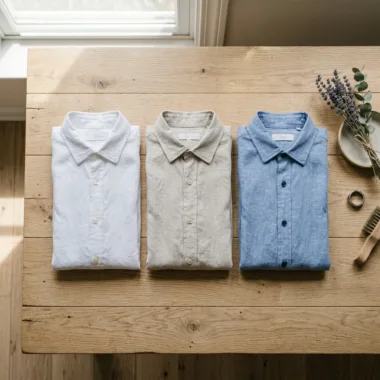
A high-quality linen shirt, like our classic pearl white linen shirt, easily survives dozens of wash cycles that would wear out a cotton equivalent, making it a smart long-term addition to your wardrobe.
5. Are Expensive Linen Shirts Really Worth Buying?
Yes. Cheap linen shirts often wear out quickly, developing holes under the arms or fraying along the seams within a single season. The rough, short-staple fibers can also cause skin irritation in hot weather.
In contrast, an expensive shirt made from long-staple European flax gets softer and fits better with age. Its breathability, comfort, and classic look make it a valuable purchase that you will wear for years.
6. How Much Do Quality Linen Shirts Cost?
Understanding price points helps you identify genuine quality and avoid overpaying for brand markups. Low-cost shirts ($30 – $60) are typically mass-produced from short-staple flax or blended with polyester, resulting in a stiff texture that doesn’t soften. Mid-tier shirts ($70 – $120) offer decent construction and clean finishes, suitable for general wear.
Premium and luxury shirts ($130 – $250+) are crafted from long-staple linen sourced from historic European mills. These shirts feature slow-woven fabrics, meticulous French seams, and natural dyes, offering the best in comfort and durability.
7. What Makes a Linen Shirt Look Expensive?
An expensive linen shirt is characterized by its fit, drape, and natural luster. High-quality linen is heavy enough to hang naturally off the shoulders without clinging to the body, creasing in soft, rolling folds rather than sharp, papery lines.
Premium linen also possesses a subtle, natural sheen caused by the smooth alignment of long flax fibers. Additionally, luxury shirts feature structured interlinings in the collar and cuffs, allowing the collar to maintain its shape without a tie. To see how to style it formally, refer to our guide on how to wear a linen shirt.
8. How to Choose Between Different Linen Shirt Brands?
When comparing brands, look beyond marketing campaigns and evaluate their transparent sourcing and construction specifications. Premium brands explicitly state where their flax is grown and woven (look for certifications like “Masters of Linen” or “European Flax”).
You should also look for brands that provide technical details, such as the fabric weight (GSM) and yarn count (LEA). A brand that offers structured collar styles designed to maintain their shape generally pays closer attention to tailoring details.
9. How to Spot Fake or Low-Quality Linen Shirts?
The growth of online shopping has led to an increase in synthetic fabrics finished to look like linen. Rubbing the fabric against itself is an easy test; pure linen has low electrical conductivity and does not generate static electricity. If the shirt clings to your skin or generates static sparks, it contains polyester or nylon.
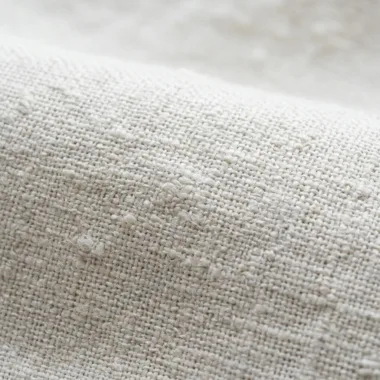
Additionally, hold the fabric up to the light. If you see highly uniform threads with zero variation in thickness, it is likely a synthetic imitation or a heavy poly-blend, as pure linen naturally exhibits organic slubs.
10. How Long Do Quality Linen Shirts Last?
A high-quality linen shirt can easily last 5 to 10 years with proper care. Because flax is highly resistant to stretching and pilling, the fabric maintains its structure far longer than cotton or wool.
Washing pure linen actually strengthens the fibers, meaning the shirt gets softer and more comfortable over time without losing its shape. This longevity makes it one of the most sustainable and cost-effective garments in a men’s wardrobe.
Conclusion
Evaluating the quality of a linen shirt involves looking at the raw materials, yarn spinning quality, and tailoring standards. By choosing long-staple European flax, a high yarn count (like 60 LEA), and careful construction techniques, you secure a shirt that looks excellent and lasts for years.
Ready to experience the difference of artisan-grade shirting? Explore our collection of high quality linen shirts to find the perfect addition to your warm-weather wardrobe.

%20(320%20x%20160%20px)%20(2).png)